Drupal is often selected for projects that require flexibility, advanced permissions, and complex content workflows. However, the real difficulty lies in structuring the system correctly from the beginning.
When content types, fields, and permissions are defined without a clear architecture, the CMS becomes difficult to extend. Teams struggle with inconsistent data structures, overly complex admin interfaces, and workflows that are hard to manage at scale.
We design Drupal systems with a focus on clarity — ensuring that content, roles, and workflows are aligned with how the product actually operates.
Content Structure, Permissions, and Workflow Control
Drupal’s strength lies in its ability to handle complex editorial processes and structured content. To fully leverage this, the system must be designed with clear boundaries between content types, user roles, and workflows.
We build Drupal CMS solutions where:
- content types and fields reflect real use cases, not assumptions
- permissions and roles are structured for predictable access control
- editorial workflows support content review, publishing, and updates
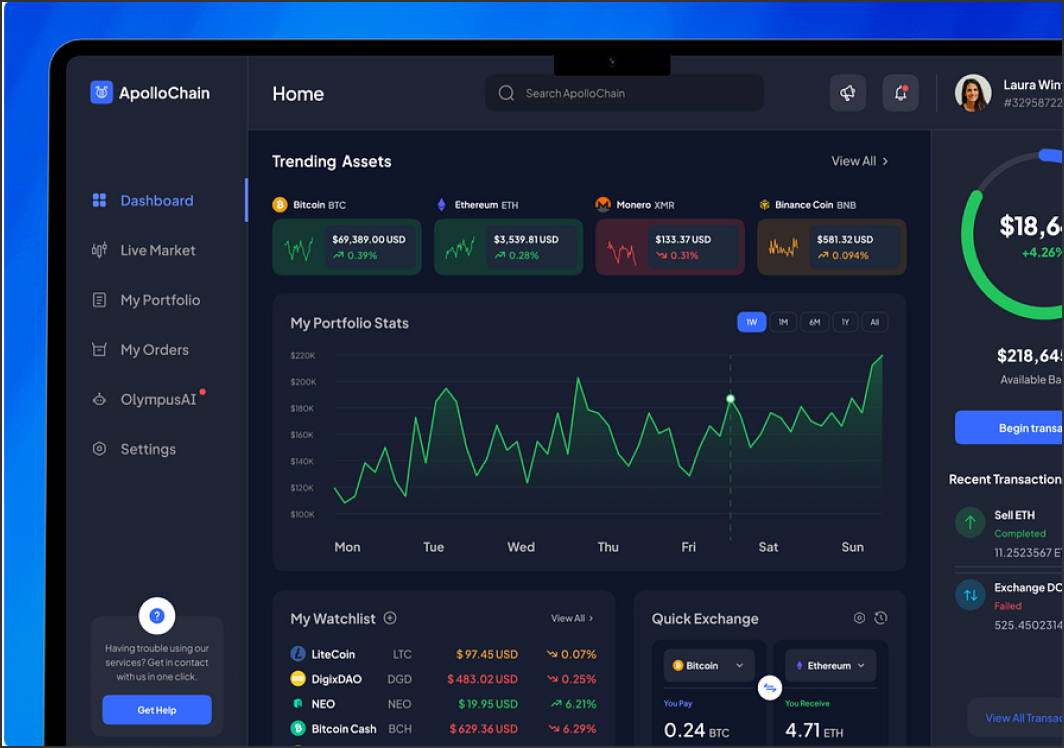
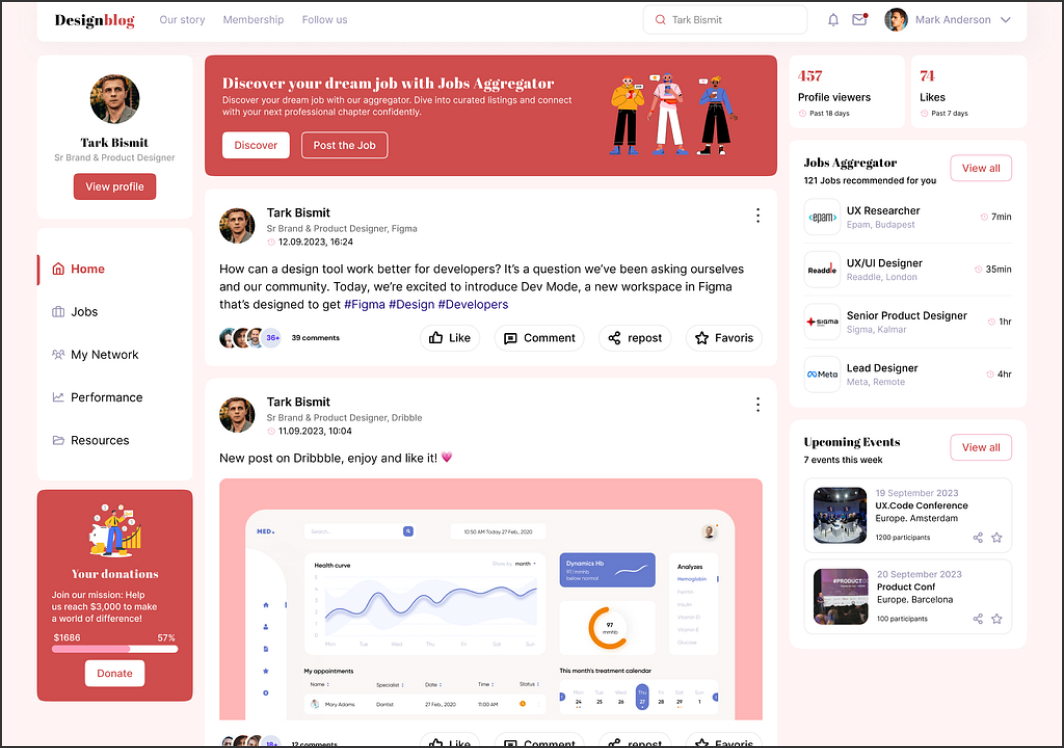
- admin interfaces remain usable even as complexity increases
This creates a system that works not only for developers, but also for content teams managing large volumes of data.
Stability, Integrations, and Scalable Architecture
Drupal is often part of larger ecosystems — integrating with CRMs, APIs, search systems, and external services. Without a solid architecture, these integrations become fragile and difficult to maintain.
We ensure system stability by:
- designing modular architectures that can evolve without breaking existing functionality
- implementing integrations with clear data flow and error handling
- optimizing caching, rendering, and backend performance
- maintaining consistency across environments and deployments
This approach allows Drupal to function as a reliable core system within complex digital infrastructures.
Built for Long-Term Growth, Not Temporary Solutions
Drupal projects often grow over time, adding new features, integrations, and content requirements. Systems that are not designed for this growth quickly become difficult to maintain and extend.
We approach Drupal CMS development as a long-term system design task — focusing on scalability, maintainability, and clean architecture from day one. This ensures your platform can evolve without requiring constant refactoring or rebuilding.
Page Updated: 2026-03-17