A dedicated ecommerce team fits when the store is your main revenue channel and it never stops changing: new promotions, new integrations, new markets, performance work before every peak season. The team works only on your store, has its own lead and answers for delivery to your product owner or head of ecommerce. For a short replatform with a clear end date, a project contract is the better fit. For one or two extra engineers in your squad, see staff augmentation. To compare all the models side by side, see the dedicated team overview.
Which platforms does the team work on?
- Shopify and Shopify Plus: Themes, custom apps, checkout extensions and ERP or warehouse integrations. See our Shopify development page.
- Headless storefronts: A React frontend, often Shopify Hydrogen or Next.js, on top of a commerce backend, with a CMS for editorial pages.
- Custom or legacy platforms: Stores on older systems that need stabilising, or a staged move off them.
Headless is not always the answer. A standard Shopify theme is faster to run for a small catalog. We recommend headless when storefront speed, editorial freedom or multi-market logic is limited by the theme layer. The ecommerce development page explains the trade-offs.
Who is on the team?
| Seat | What they own |
|---|---|
| Team lead | Architecture, release safety, sprint planning with your ecommerce owner |
| Storefront engineers | Product pages, collections, cart, checkout customisation, performance |
| Integration engineer | Payments, tax, shipping, ERP, PIM and email tools |
| QA engineer | Checkout and payment paths, regression suites before sales peaks |
| Designer, part time | Conversion focused flows and component rules |
What does a team do on a live store?
Most work is changing a revenue-producing system without breaking it. That shapes the habits:
- Release safety: Preview deployments, feature flags where the platform allows them and a rollback plan for every release. Changes to checkout never go out on a Friday afternoon before a campaign.
- Storefront performance: Image handling, script weight, layout stability and server rendering, measured on mid-range phones, since that is what most shoppers hold.
- Integrations: Each connection to payments, inventory or a warehouse has an owner, a test and an alert when it fails quietly.
- Seasonal readiness: Load checks and a freeze calendar agreed with your ecommerce owner well before peak.
The first month
The lead starts with the numbers your ecommerce owner already tracks: conversion by device, page speed on top templates, checkout drop-off and error logs. From those we list what to fix and what to leave alone.
Sprint one gives everyone a working copy of the store and preview deployments, and ships one low risk change. After that the team takes the top of the backlog plus one standing performance or reliability item each sprint.
How we work with your ecommerce owner
Your owner sets priorities, answers business rules about pricing and promotions, and accepts work at each demo. Our lead splits goals into tasks, reviews code, reports in writing after each sprint and warns early when an integration partner is the bottleneck. We work in your store admin, repository and tracker, with access you control.
Engagement terms
The contract names the seats, the rate per seat, notice for adding or removing people, replacement and exit terms. Teams often grow before a seasonal peak and shrink after it, within the notice agreed. Code and store configuration belong to you under an NDA and an IP assignment. The team starts after a short intro call.
Proof: a headless storefront for a D2C brand
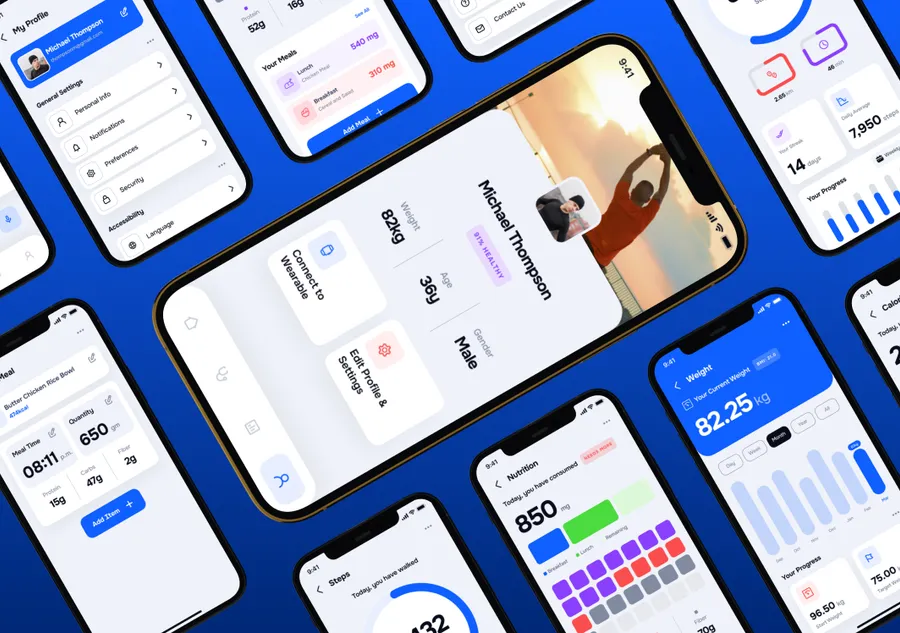
A bootstrapped US-based D2C brand had a Shopify Liquid storefront that could not keep pace with its catalog. We rebuilt it as a headless Shopify Hydrogen app with React. LCP fell to 1.5s from 4.2s, the Lighthouse performance score reached 94 and editorial publish time dropped to under an hour. Treat the numbers as directional, as the case file does. Details are in the headless storefront case study.